Showing posts with label falls. Show all posts

Thursday, 17 August 2017

Preventing Falls In The Elderly

If you have an elderly father, mother, grandfather, grandmother or aunt, you will have come across them losing balance and falling.
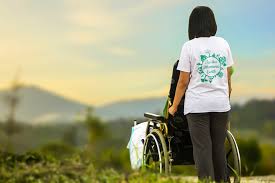
Image result for fall in elderly
Image Credit: maxpixel.freegreatpicture.com

For people who are above age of 65, falls are a common problem which can lead to loss of independence and can also be fatal enough to cause death.

There are many reasons for falls in the elderly.

1. Long standing diabetes. This causes peripheral neuropathy and loss of sensation in legs.

2. Parkinson's disease- in this disease the muscles and nerves are less active leading to loss of balance, tremors and falls.

3. Postural hypotension, that is, the blood pressure falls when a person stand leading to lack of blood supply to the brain when a person gets up suddenly from bed or chair.

4. Poor eyesight or improper glasses.

5. Poor lighting in the house.

6. Slippery floors.

7. Few medications can make them dizzy.

There are many ways to prevent falls. Some of them are self explanatory in the reasons given above.

Also having a caregiver who is there to support the elderly can reduce the incidence of falls by 98%.

Get in touch with us to know how you can better take care of an elderly loved one.

Friday, 1 April 2016

How To Prevent Falls In Elderly

Elderly are very similar to toddlers. Like infants and toddlers, elders keep falling, have difficulty walking, have speech problems but unlike toddlers the consequences of a fall are very bad.


Image Courtesy: Flickr Sodanie Chea

Falls in elderly can be catastrophic. They can lead to hip fracture, femur fracture, brain hemorrhage. This can lead to hospitalisation and deterioration in quality of life.

How big is the problem?

One in 3 adults above the age of 65 years each year has a fall. The risk increases with each decade.

How to prevent falls?


  1. Having strong legs is critical for avoiding falls. Simple leg and thigh strengthening exercises can go a long way in helping the elderly.
  2. Elderly are prone to postural hypotension, that is there is blood pressure falls when they stand and is not easily adjusted. Postural hypotension can be aggravated by dehydration, some medicines. Some medicines can also cause dizziness and drowsiness. Getting your medication reviewed with doctor can help.
  3. Poor lighting can aggravate vision problems. Ensure that proper lighting is there so that the elderly do not have challenges in seeing properly. 
  4. Use non-slip mats and rugs. Removing spillage in time. Keeping areas dry.
  5. Getting help in doing things which can lead to falls.

You can read more about preventing falls here

  1. CDC
  2. NHS
Want to know more about taking care of your loved ones, call +91 8892505557 or write to us at care@pranaenablers.com

Making Life Better

Wednesday, 9 September 2015

Why You Should Prevent Falls In Edlerly

How many times have you heard or come across a grandparent or uncle or aunt who had a fall in the bathroom or someplace and had to be hospitalized! Remember right?


You will be surprised to know the following facts:


  • One out of three older adults (those aged 65 or older) falls each year but less than half talk to their healthcare providers about it.
  • Among older adults, falls are the leading cause of both fatal and nonfatal injuries.
  • Older adults living in nursing homes and long-term institutions fall more often than community dwelling older adults
  • Falls are also the leading cause of death due to injury in the elderly.  87% of all fractures in the elderly are due to falls.
Why do they fall?

Many conditions cause repeated falls.

  1. Poor eyesight
  2. Orthostatic hypotension, that is BP falls on standing and therefore blood supply to brain is cut off.
  3. Parkinsonism
  4. Stroke
  5. General decrease in hand, body and mind coordination 

How can older adults prevent falls?

  • Exercise regularly. It is important that the exercises focus on increasing leg strength and improving balance, and that they get more challenging over time. Tai Chi programs are especially good.
  • Ask their doctor or pharmacist to review their medicines—both prescription and over-the counter—to identify medicines that may cause side effects or interactions such as dizziness or drowsiness.
  • Have their eyes checked by an eye doctor at least once a year and update their eyeglasses to maximize their vision. Consider getting a pair with single vision distance lenses for some activities such as walking outside.
  • Make their homes safer by reducing tripping hazards, adding grab bars inside and outside the tub or shower and next to the toilet, adding railings on both sides of stairways, and improving the lighting in their homes.
  • Having attendant or support staff to help them in their daily activities also reduces falls. 
  • Make city, parks, transport systems safer and elderly friendly
To lower their hip fracture risk, older adults can:
  • Get adequate calcium and vitamin D—from food and/or from supplements.
  • Do weight bearing exercise.
  • Get screened and, if needed, treated for osteoporosis.